Why do today’s most popular home design styles make self-storage so practical? Changing your living space often leaves you with spare furniture, rotating accents, or unfinished DIY projects that clutter your everyday living area. Renting a storage unit gives you the physical room to test new aesthetic movements, restore pre-loved furnishings, and swap items on your own timeline.
Whether you lean toward vibrant color palettes, earthy neutrals, or circular furniture practices, redecorating rarely means tossing everything out. In today’s budget-conscious climate, savvy decorators are turning away from costly “all-new” room makeovers in favor of smart repurposing, thrifting, and seasonal rotation. Below, we break down how seven major design trends—and their modern 2026 evolutions—rely on self-storage to keep your home balanced and functional.
TL;DR: Quick Summary
- Smart Design Relies on Rotation: Interior styles from 2020–2022 (like early Cottagecore and Cluttercore) have matured into Warm Minimalism, Dopamine Décor, and Circular Design.
- Repurposing Beats Buying New: Slower economic conditions and sustainable habits have driven huge growth in secondhand furnishings, requiring dedicated off-site staging areas for DIY refurbishing projects.
- Storage Matches the Movement:
- Climate Control Controls the Elements: Climate-controlled units regulate temperature between 55°F and 80°F, mitigating environmental damage caused by severe heat or humidity spikes on solid wood, painted veneers, and textiles.
Table of Contents
- 1. Cottagecore and the Shift to Heritage Craft
- 2. Cluttercore Evolves into Dopamine Décor
- 3. Maximalism Meets Curated Eclecticism
- 4. Cold Minimalism Gives Way to Warm Minimalism
- 5. Upcycling Furniture and Circular Economy Projects
- 6. Sustainable and Regenerative Living Spaces
- 7. Hygge Transitions to Tactile Wellness
- How Much Storage Do Interior Design Swaps Require?
- Frequently Asked Questions
- Ready to Refresh Your Living Space?
1. Cottagecore and the Shift to Heritage Craft
Cottagecore surged in popularity as a nostalgic celebration of rural life, handmade bread, floral patterns, and rustic timber. While the original pastel aesthetic has cooled from its initial social media peak, its core appreciation for artisanal details and natural elements remains influential. In 2026, Cottagecore has largely matured into “Heritage Craft,” an aesthetic favoring durable hardwood pieces, wrought iron, and traditional craftsmanship over fast-furniture substitutes.
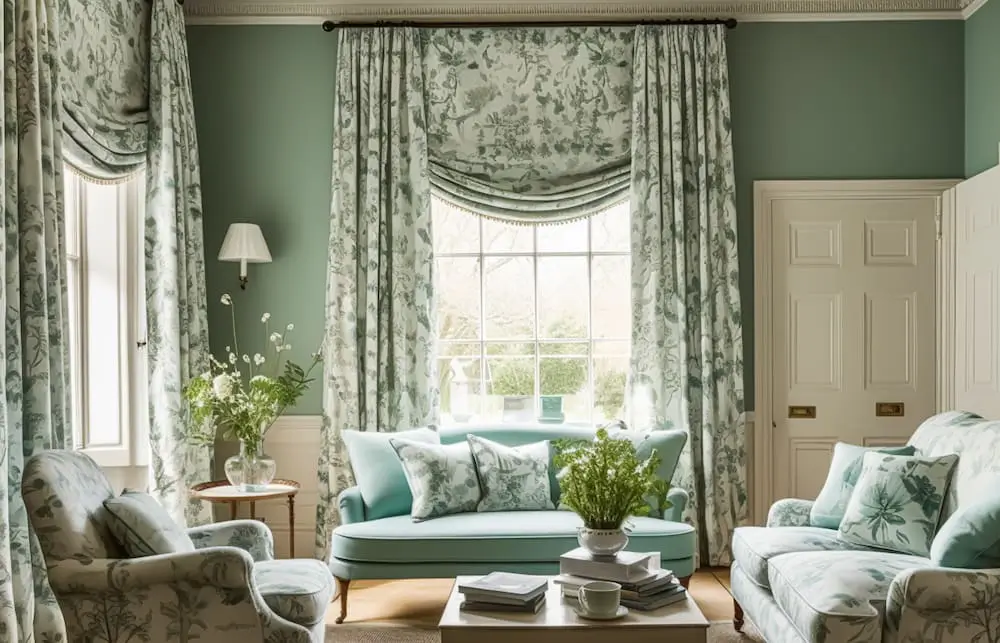
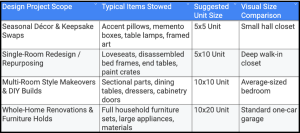
Embracing this pastoral look often requires clearing out modern, angular furniture that disrupts the rustic mood. Rather than parting permanently with functional contemporary items, you can move them into a 5×10 or 10×10 storage unit. This setup keeps your extra armchairs or glass coffee tables out of the way while you style your space with hand-woven throws and vintage pine side tables.
2. Cluttercore Evolves into Dopamine Décor
Cluttercore established itself as a direct rebellion against stark, bare surfaces, encouraging homeowners to proudly display personal mementos, art prints, and eclectic souvenirs. Today, that sentiment has shifted into “Dopamine Décor,” an intentional, joy-first design philosophy centered on vibrant colors and curated curios that bring personal satisfaction.
However, displaying hundreds of keepsakes simultaneously can quickly make a living room or office feel visually overwhelming and physically crowded. Self-storage offers a practical outlet by enabling an “exhibition rotation” system. By boxing and storing a portion of your art collections and novelty lamps off-site, you can cycle fresh items into your living space every few months without letting your home feel congested.
3. Maximalism Meets Curated Eclecticism
While cluttercore emphasizes volume of objects, maximalism focuses on visual intensity, such as clashing wallpaper patterns, saturated colors, rich fabrics, and dramatic lighting. In 2026, full-throttle maximalism has shifted toward a more grounded, curated eclecticism. Home decorators now mix bold statement rugs and velvet sectionals with quiet architectural backdrops rather than packing every surface at once.
Transitioning into a bold design scheme often requires swapping out large, neutral items like sofas, media consoles, and dining sets. A medium 10×10 storage unit (roughly equivalent to the size of an average bedroom) provides ample floor area to hold an multiple rooms worth of furnishings while you paint walls or install patterned murals. Staging furnishings off-site prevents room gridlock and lets you experiment with dynamic layouts at your own pace.
4. Cold Minimalism Gives Way to Warm Minimalism
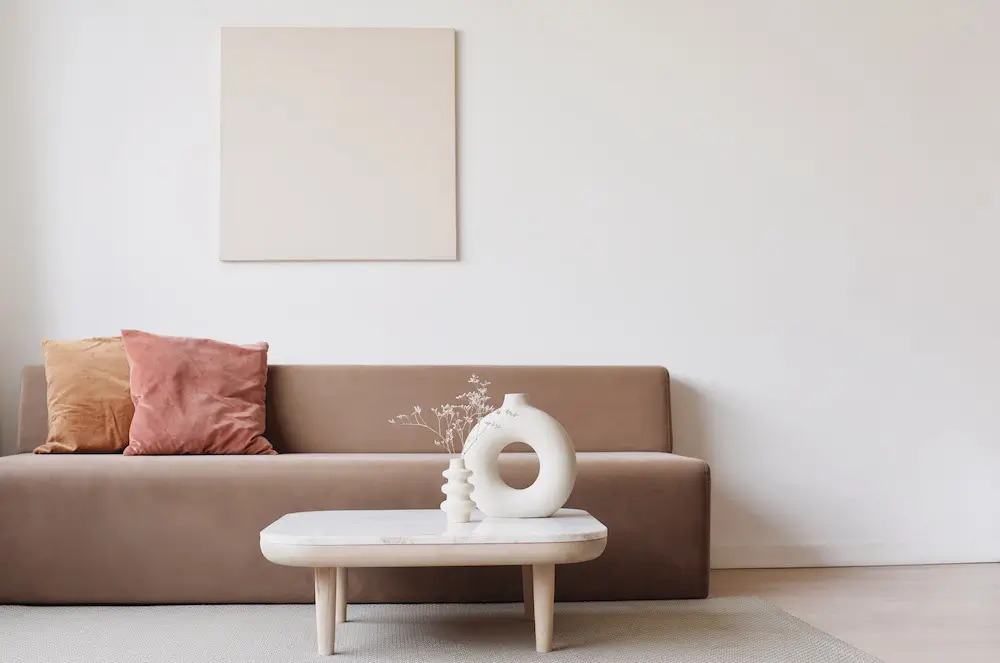
The icy, sterile minimalism of the 2010s, often characterized by flat gray walls, cold chrome fixtures, and stark white surfaces, has officially faded. Replacing it is “Warm Minimalism” (frequently overlapping with Japandi design), which marries simple silhouettes with earthy plaster walls, textured linens, light oak, and rich travertine.
To achieve this uncluttered, soothing atmosphere, removing excess household clutter remains non-negotiable. If your current residence is filled with transitional décor, oversized entertainment centers, or duplicate seating, adopting warm minimalism can feel daunting. Utilizing self-storage allows you to pare down your living areas to the bare essentials without forcing you into permanent donation decisions before you are ready.
5. Upcycling Furniture and Circular Economy Projects
With household budgets facing persistent economic pressures, purchasing brand-new solid furniture from retail showrooms has become less practical for many families. Instead, the circular home economy is booming: according to market research by Grand View Research, the second-hand furniture sector is projected to reach $56.66 billion by 2030. Homeowners and renters are increasingly turning to estate sales, thrift shops, and online marketplaces to find sturdy, older pieces suited for sanding, painting, or re-upholstering.
The main challenge with DIY furniture restoration is finding the physical space to work. Sanding, staining, and painting a five-drawer dresser or a farmhouse dining set takes time, and leaving unfinished projects in living rooms or hallways presents continuous clutter. Stowing prospective finds in a drive-up storage unit or a large storage space keeps your home clean while providing a staging ground until you have the weekend free to complete your repairs in your home workshop.
Material Care Tip: When holding solid timber furnishings, natural cane, or antique cabinetry, consider climate-controlled storage. A climate-controlled unit regulates temperatures between 55°F and 80°F year-round, mitigating damage caused by extreme seasonal humidity swings, timber warping, or finish cracking.
6. Sustainable and Regenerative Living Spaces
Eco-friendly home improvement continues to expand, moving from surface-level green choices to deeper retrofits. Homeowners are installing heat pumps, upgrading window insulation, and refacing existing kitchen cabinets rather than tearing them out entirely. The Mordor Intelligence Recycled Furniture Report notes that consumer interest in recycled and circular furnishings continues to expand rapidly as people focus on reducing overall household waste.
During active remodeling or weatherproofing projects, leaving household furnishings directly in work zones risks tracking dust and debris into sofa cushions and fabric lampshades. Clearing rooms ahead of time allows contractors and DIY remodelers to work efficiently. A 5×10 storage unit, similar in dimension to a deep walk-in closet, readily holds boxes, mattress sets, and side tables while remodeling work is underway.
7. Hygge Transitions to Tactile Wellness
The Danish concept of hygge introduced the world to the restorative power of cozy comfort, soft lighting, and intimate living spaces. In 2026, hygge has naturally blended into broader “Tactile Wellness” design, which uses textured cork, untreated wool, acoustic wall panels, and indirect lighting to create peaceful home sanctuaries.
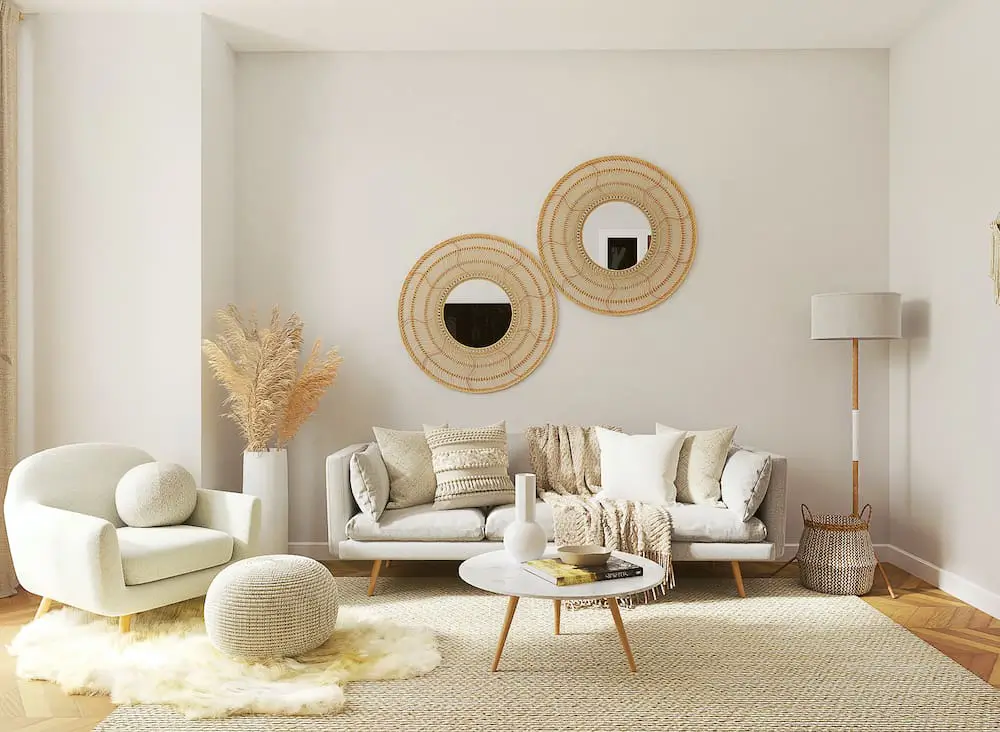
The foundation of genuine relaxation is space to breathe. Cluttered surfaces and overfilled corners elevate subconscious visual stress, undermining any calming ambiance you try to create. Moving off-season holiday decorations, sports gear, and spare storage totes into a nearby unit leaves you with the open, peaceful environment essential for true everyday rest.
How Much Storage Do Interior Design Swaps Require?
Frequently Asked Questions
Q: What is the difference between Cluttercore and Dopamine Décor?
A: Cluttercore focuses primarily on the volume and density of personal objects on display, often showcasing extensive personal collections. Dopamine Décor is focused more deliberately on mood-boosting elements, prioritizing vibrant colors, cheerful shapes, and nostalgic items that directly spark positive feelings.
Q: Why is second-hand furniture so central to home design in 2026?
A: Economic caution and higher retail prices have driven consumers toward thrifting and upcycling older solid wood furniture, which often features higher craftsmanship than budget modern pieces. Re-staining and painting used items allows homeowners to personalize their spaces without paying premium showroom prices.
Q: How does climate-controlled storage help with furniture storage?
A: Climate-controlled storage regulates temperature ranges between 55°F and 80°F and moderates humidity levels. This mitigates environmental damage such as wood warping, veneer separation, and moisture damage that can occur when furniture is subjected to drastic seasonal weather changes.
Ready to Refresh Your Living Space?
Trying out new interior styles or taking on a budget-friendly upcycling project does not require overcrowding your primary living area. Store Space provides clean, flexible monthly rental options with unit sizes that scale to your exact project scope.
Visit our Storage Size Guide to calculate the right unit for your belongings, or locate your nearest facility on our Store Space Storage Location Finder to check current unit availability and reserve online today.