TL;DR: 6 Clever Storage Hacks That Actually Work
This blog explores cost-effective, DIY organization and packing “hacks” using everyday household items to save space and protect valuables during storage or moving.
Key Hacks & Takeaways
- Vacuum-Sealing: Use 13-gallon trash bags and a vacuum cleaner to compress bulky clothing and linens.
- Easy Closet Transfer: Keep clothes on hangers and pull a trash bag up from the bottom, tying the drawstrings around the hanger hooks for a quick, organized move.
- Fragile Dish Protection: Place coffee filters between stacked plates and bowls to prevent scratching and chipping.
- Protective Padding: Use pool noodles (slit down the center) to wrap around furniture legs, mirror frames, or even car doors to prevent dings.
- Glassware Safety: Slide stemware or glasses into clean socks for an extra layer of cushioning before boxing them up.
- Damage Mitigation: Use your existing towels, blankets, and linens as strategic padding for larger items rather than buying professional moving blankets.
The Bottom Line
Instead of purchasing expensive specialty packing supplies, you can achieve professional-level organization and mitigate the risk of damage by repurposing common items like trash bags, socks, and coffee filters.
Table of Contents
- How to Use Vacuum-Sealing for DIY Space-Saving Storage
- Budget Moving Tips: The Easy Closet Transfer Hack
- How to Protect Fragile Dishes Using Coffee Filters
- Using Pool Noodles as Protective Wrapping for Mirrors and Cars
- Simple Organization Hacks: Protecting Glassware with Socks
- Strategic Padding with Linens to Mitigate Damage
- Frequently Asked Questions
Have you ever wondered if those clever storage tips you see online really work? With hundreds of viral “hacks” floating around platforms like Pinterest and Lifehacker, it’s hard to know which ones are actually worth your time and which are just digital clutter.
The real question is: do they actually protect your valuables, or do they just look good in a photo? While some online suggestions seem to require an arts and crafts degree—or cost more than traditional packing supplies—we wanted to find the sweet spot. We bypassed the overly complex projects (no, we aren’t turning old filing cabinets into sports equipment holders) and focused on methods that use items already found around your house.
We put these cost-effective packing and organization strategies to the test to see which ones truly mitigate the risk of damage during a move or long-term storage. Below are the winners that proved to be both clever and practical.
How to Use Vacuum-Sealing for DIY Space-Saving Storage
One of our favorite clever storage ideas involves common 13-gallon kitchen trash bags. If you are struggling with bulky items like down jackets or comforters, you don’t need to buy expensive vacuum bags.
The Test: Place your items in the bag, insert a vacuum hose, and seal the opening with your hand. Once the air is removed, tie it off quickly. The Result: We reduced two down jackets and a hoodie to less than the size of a single folded towel. This is an essential organization hack for small spaces and helps you fit more into your storage unit.
Budget Moving Tips: The Easy Closet Transfer Hack
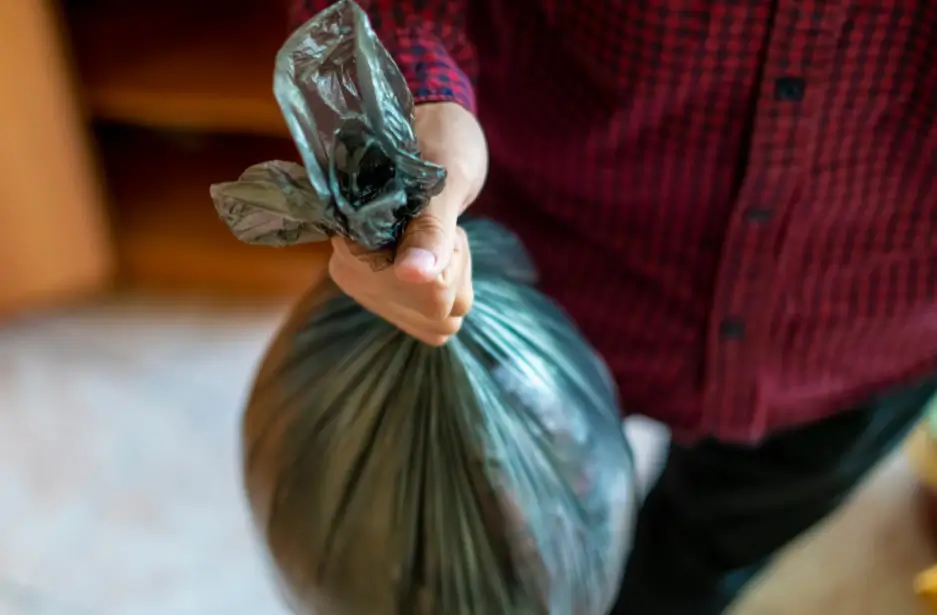
Don’t waste time taking clothes off hangers. To pack moving boxes faster, push 20-25 hanging items together. Pull a 33-gallon drawstring leaf bag up from the bottom and tie the drawstrings around the hanger hooks.
Pro Tip: This keeps your clothes clean and organized, making it easy to hang them directly in your new closet or a wardrobe box.
How to Protect Fragile Dishes Using Coffee Filters
When looking for cheap storage solutions, skip the expensive newsprint or foam sleeves. Standard 8-to-12-cup coffee filters are the perfect size for everyday plates and bowls.
Placing one or two filters between each dish helps mitigate the risk of chips and scratches. Unlike newspaper, coffee filters won’t leave ink stains on your china, saving you cleaning time later.
Using Pool Noodles as Protective Wrapping for Mirrors and Cars
At roughly $3 each, pool noodles are one of the most versatile DIY packing materials.
For Frames: Cut a slit down the noodle and miter the corners to create a custom bumper for mirrors and artwork.
For Vehicle Storage: If you are storing a car, hang noodles from the ceiling or windows at the widest point of the doors to mitigate door dings.
For Sharp Tools: Slip scraps over garden rake tines or shears to protect yourself and other items in your unit.
Simple Organization Hacks: Protecting Glassware with Socks
Protecting stemware and wine glasses doesn’t have to be a chore. Clean, adult-sized tube socks provide excellent padding for daily drinkware. This method allows you to see the shape of the glass more easily than paper wrapping, which helps when you are trying to pack a storage unit efficiently.
Strategic Padding with Linens to Mitigate Damage
If you didn’t vacuum-pack everything, use your remaining towels and washcloths as “free” padding. Wrap them around lamp bases or place them between furniture surfaces. If you are stacking items like cubes stacked atop one another, a towel can prevent surface-to-surface rubbing.
Bonus: Paper Storage
While not clever or original, storing important documents and paperwork in file folders or filing cabinets is a great way to declutter and consolidate loose papers into one place. Learn more about storing paper properly.
Disclaimers: Please use common sense when packing or storing any items. Store Space is not liable for damage or loss caused by or related to any of the suggestions in this blog. Our stores carry a wide range of boxes, including specialty wardrobe boxes, tape, mattress bags, packing materials and much more.
Frequently Asked Questions
Q: How do I protect mirrors and frames without buying expensive boxes?
A: You can use pool noodles. Simply measure the frame, cut a slit down the side of the noodle, and miter the corners at 45-degree angles to create a protective bumper around the edges.
Q: What is the cheapest way to pack dishes?
A: Standard coffee filters are a cost-effective alternative to foam pouches. Placing 1–2 filters between plates mitigates the risk of scratches and chips during transit or while in storage.
Q: Can I use regular trash bags to vacuum-seal clothes?
A: Yes. By placing bulky items like jackets or comforters in a 13-gallon kitchen bag and using a standard vacuum hose to remove the air, you can reduce the volume of the items by over 50%.
Q: How should I store electronics or sensitive items?
A: For items sensitive to environmental changes, we recommend facilities with circulated air systems to help mitigate the effects of temperature swings and humidity. You can learn more on our climate-controlled storage page.